Clapham Park removals guide for moves near Clapham Common

Moving in this part of South London can feel deceptively simple until you're actually doing it. The streets near Clapham Common are busy, parking can be awkward, and even a short-distance move needs proper planning if you want the day to stay calm. This Clapham Park removals guide for moves near Clapham Common is designed to help you plan sensibly, avoid the usual headaches, and understand what makes a local move run smoothly from start to finish.
Whether you're shifting from a flat near the Common, moving out of a family house in Clapham Park, or relocating a small office nearby, the same basic principle applies: the better the preparation, the less stressful the move. Simple enough in theory. In real life, though, there's always a box that wasn't packed, a sofa that looked smaller in the living room, or a lift that turns out to be just a bit too tight. Let's make sure that doesn't become your story.
Why Clapham Park removals guide for moves near Clapham Common Matters
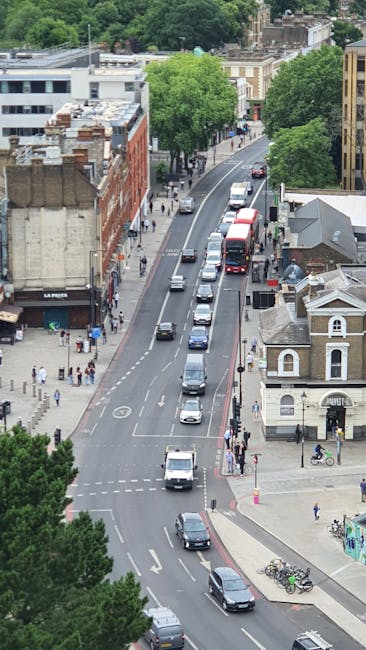
Clapham Common is one of those places where moving can seem easier than it is. Distances are short, but that does not always mean the logistics are simple. Local roads can get busy at peak times, parking can be tight, and access around flats and shared entrances can add a layer of friction you only notice on moving day. A good local removals plan saves time, energy, and a fair bit of stress.
For anyone moving near Clapham Common, the value of a proper guide is not just about lifting boxes. It's about timing the move sensibly, choosing the right vehicle, understanding building access, and making sure your items are packed in a way that protects them during short but frequent stops. In our experience, local moves are often rushed because people think, "It's only round the corner." That's usually where the trouble starts.
This is also where a reliable service choice matters. Some moves only need a straightforward man and van setup, while others are better handled as full removals with packing support, extra handling care, or a larger vehicle. Knowing which route fits your move is half the battle.
There's another reason this matters: Clapham Park and the streets around Clapham Common attract a mix of flat moves, student moves, first-time buyers, families, and small business relocations. That means every move looks a little different. The guide needs to reflect that reality, not pretend every home has the same stairs, the same parking, or the same timeline. Truth be told, that would be a bit useless.
How Clapham Park removals guide for moves near Clapham Common Works
A local move usually follows the same basic flow: plan, pack, access-check, move, unload, and settle. But the details matter. For example, a move from a top-floor flat near the Common may need different handling from a ground-floor house move on a quieter residential road. The route, the vehicle size, and the number of people on site can all change the day quite a bit.
Here's the practical version of how it works:
- Assess what you're moving. Make a list of furniture, boxes, fragile items, and anything awkward or heavy.
- Check access. Look at stairs, lifts, narrow hallways, front-door clearance, and parking space near both properties.
- Choose the right service level. Some customers need a simple removal van, while others need full packing and carrying support.
- Pack properly. Use sturdy boxes, label them clearly, and protect breakables with suitable wrapping.
- Book around real-world traffic and access. Morning starts are often cleaner for local moves, but every route is different.
- Move in a sensible order. Load larger items first, protect vulnerable surfaces, and keep essentials separate.
- Unpack the important things first. Kettle, chargers, bedding, toiletries, and basic tools. You'll thank yourself later.
For some households, a simpler option works best. For others, especially if the move is large or time-sensitive, it may be worth looking at home moves or even house removals so the job is handled with the right level of support from the start.
One thing people often overlook is how much better a move feels when the team understands the local area. That sounds obvious, but local familiarity can help with arrival timing, access planning, and the small adjustments that stop a day from wobbling. A van arriving three minutes earlier or later can make a real difference when a loading bay is shared or a road is already busy.
Key Benefits and Practical Advantages
There are plenty of reasons to keep your move local and organised, especially if you're moving near Clapham Common. The obvious benefit is convenience, but the practical advantages go a bit deeper than that.
- Shorter travel time: Local moves usually mean less time on the road, which helps with fragile items and keeps costs under control.
- Better access planning: It is easier to review both addresses, check parking, and plan a loading route when the area is familiar.
- Lower disruption: A good move near Clapham Common can often be completed in one day, or close to it, depending on the size of the property.
- Less stress on the day: With fewer moving parts, there is more room to deal with the unexpected. And something nearly always appears.
- More flexible service choices: You can choose between a man with a van, a larger removal setup, packing help, or storage if needed.
- Safer handling of belongings: Short moves still involve impact risk, doorframes, stair edges, and quick turns. Good handling makes a difference.
There's also a cost-control angle. If you only need a compact vehicle and a few hours of help, there is no reason to book something oversized. On the other hand, trying to save money by under-booking is often a false economy. A move that needs two trips, extra lifting, or emergency rescheduling can become more expensive than getting it right first time.
A local move is also easier to coordinate with other services. If you need temporary space, a storage option can bridge the gap between properties. That is especially useful when move-out and move-in dates do not quite line up, which happens more often than people expect.
Who This Is For and When It Makes Sense
This guide is useful for anyone moving in or around Clapham Park, especially if the route involves Clapham Common, nearby residential streets, or flat blocks with limited access. It is a particularly good fit for:
- tenants moving into or out of flats
- first-time buyers settling nearby
- families upgrading to a larger home
- students relocating between shared houses or halls
- small business owners moving offices or workspaces
- people downsizing and sorting furniture at the same time
If you are moving a modest load and just want efficient point-to-point transport, a service such as man with van or man with a van may be enough. If you're moving a full household, heavy furniture, or awkward pieces, a broader removals package makes more sense.
It also makes sense when the move has timing pressure. Maybe your tenancy ends at midday, or the new place is only available late afternoon. Maybe the lift at the new building is booked out until 11 a.m. That kind of thing matters. A lot. If you know the move has scheduling complications, the right support can save a chaotic day from becoming a proper mess.
And yes, if your move sounds very straightforward, that is good news. But even straightforward moves benefit from a proper plan. Easy is great. Unprepared easy is not.
Step-by-Step Guidance
If you want a practical way to approach your move near Clapham Common, use this sequence. It keeps the job manageable and stops the final 24 hours from feeling like a scramble.
1. Start with a room-by-room inventory
Walk through each room and note what is going. This helps you estimate vehicle size, packing time, and whether you need extra hands. Don't forget cupboards, loft storage, or that odd collection of things in the hallway that somehow multiplies every month.
2. Decide what goes, what stays, and what gets stored
Local moves are a good time to be ruthless. If an item is bulky, broken, or unlikely to suit the new place, think carefully before taking it. For items you want to keep but can't move immediately, storage can help bridge the gap.
3. Book your service around the actual workload
Match the service to the move. A single room move, a student relocation, or one or two bulky items may suit a lighter setup. Larger household moves often need fuller support. If you are unsure, ask for a quote that reflects the real volume rather than guessing. That is usually where surprises are avoided.
4. Pack with access in mind
Put heavy items in small boxes, label the sides clearly, and keep essential items separate. If you are moving fragile things, wrap them properly and avoid leaving loose gaps inside boxes. A box should not sound like a maraca when you lift it.
5. Check building access before move day
Look at the route from the property to the vehicle. Are there stairs? A lift? A narrow corridor? A controlled entrance? Any temporary roadworks or parking restrictions? These details are boring until they save you an hour.
6. Keep move-day essentials to one side
Separate paperwork, keys, chargers, snacks, medication, and a kettle if you're like most people in South London. Keep them easy to reach, not buried under three boxes of books and a lamp shade.
7. Unpack the priority items first
Once you arrive, focus on beds, bathroom basics, and kitchen essentials. Don't try to make everything perfect in one evening. The flat can wait. You cannot.
Expert Tips for Better Results
Small decisions make a surprisingly big difference on moving day. Here are the habits that usually separate a smooth move from an exhausting one.
- Book earlier than you think you need to. Even local moves can get squeezed by diary clashes, especially at weekends and month-end.
- Measure awkward furniture before moving day. Sofas, bed frames, wardrobes, and dining tables cause most of the drama.
- Protect entry points. Doorframes, stair corners, and polished floors are common contact points during local moves.
- Label boxes by room and priority. That way, you're not opening ten boxes just to find a phone charger.
- Keep one box as a first-night box. Toiletries, bedding, tea, tools, and a torch. Simple, but brilliant.
- Use the right vehicle size. If you're comparing options, a larger vehicle such as a moving truck can suit bigger home or business moves, while a smaller setup may be enough for lighter loads.
If you are moving a flat, it is worth checking whether specialist flat removals support would make the day easier. Flats often bring stairwells, shared entrances, and time pressure into the picture. That is where experience counts.
One more thing: keep communication very clear. If you need parking nearby, if there is no lift, if you have a piano, if the beds are dismantled already, say so early. The more honest the brief, the smoother the job.
Common Mistakes to Avoid
Most moving problems are preventable. Not all of them, of course, but most. Here are the ones people near Clapham Common seem to run into again and again.
- Underestimating access issues. A move that looks easy on a map can become awkward when the vehicle cannot park close enough.
- Packing too late. Last-minute packing usually means poor labelling, weak boxes, and forgotten essentials.
- Ignoring heavy or specialist items. Pianos, oversized furniture, and fragile antiques need more thought than standard boxes.
- Choosing the wrong service for the job. A basic lift-and-load setup is not always enough. Equally, paying for more than you need is avoidable.
- Not checking terms and expectations. Time windows, access limitations, and what is included should all be clear before the day.
- Forgetting disposal or furniture removal. If you are replacing items, think about how the old ones will be handled. Services like furniture removals or furniture pick up can be useful when the new place is being set up from scratch.
There's also a common emotional mistake: trying to make the move feel effortless when it isn't. It's okay if a move takes a bit more planning than expected. That doesn't mean you've done anything wrong. It just means London is London.
Tools, Resources and Recommendations
You do not need fancy software to move well. Most of the useful tools are simple, physical, and boring in the best possible way.
- Strong boxes: Use proper moving boxes rather than tired old supermarket cartons if you can.
- Packing materials: Paper, bubble wrap, blankets, tape, and labels all earn their keep.
- Furniture covers: Handy for protecting fabric, wood, and corners during loading.
- Trolley or sack truck: Useful for heavier items and multiple trips.
- Notebook or phone checklist: Keeps track of keys, utilities, meter readings, and room priorities.
If you want help with boxing, wrapping, or unpacking, packing and boxes and packing and unpacking services are worth considering. They can save time, reduce breakages, and make the whole process feel less chaotic.
For business relocations, it can also help to look at commercial moves or office removals if computers, filing, and workspace furniture are involved. The goals are slightly different from a home move: less interruption, safer handling of equipment, and a quicker return to normal work.
If your move is unusually tight on time, a same-day option may be the practical answer. It is not for every situation, obviously, but same day removals can help when timing changes suddenly or a handover has moved at the last minute. Happens more than you'd think.
Law, Compliance, Standards, or Best Practice
For most home or flat moves, the legal side is fairly straightforward, but there are still sensible standards to follow. In the UK, moving companies should be clear about what they provide, how they handle goods, and what happens if access or timing changes. You should also expect proper care with property, belongings, and payment handling.
Good practice usually includes:
- clear written or agreed quotes
- transparent terms and conditions
- careful handling of goods and property
- appropriate insurance and safety processes
- reasonable communication if anything changes
It is sensible to review a company's insurance and safety information, and to understand the basics of the service terms before the move. If you are arranging payment online or in advance, you may also want to review payment and security information so there are no surprises.
For site conduct, load handling, and general operational care, many businesses also publish a health and safety approach. That is not just paperwork. It tells you something about how seriously the company takes the actual move. Likewise, if sustainability matters to you, it can be reassuring to review recycling and sustainability practices, especially if you are disposing of furniture or packaging as part of the job.
Best practice is not glamorous, but it's what keeps the day calm. And calm is underrated when you're carrying a wardrobe down stairs at 8:30 in the morning.
Options, Methods, or Comparison Table
Different moves need different setups. The table below gives a practical overview of the most common choices near Clapham Common.
| Option | Best for | Strengths | Watch-outs |
|---|---|---|---|
| Man and van | Small to medium local moves, student moves, bulky item transport | Flexible, often cost-effective, good for short distances | May not suit larger homes or complex access needs |
| Full removals | House moves, larger flats, multi-room relocations | More support, better for heavy furniture, more structured day | Usually needs more planning and a larger budget |
| Packing support | Busy households, fragile items, time-poor movers | Saves time, helps reduce damage, easier to stay organised | Adds an extra service step and may need advance booking |
| Storage | Delayed handovers, downsizing, temporary gaps between addresses | Useful for flexibility, helps avoid rushed decisions | Requires separate planning and access coordination |
For a lighter move, student removals can also be a practical route, especially if the load is mostly boxes, small furniture, and a handful of personal items. Students often need speed and affordability more than anything else, and that is fair enough.
If you are comparing vehicle sizes, a smaller removal van may be ideal for a few rooms, while a bigger load may justify a more substantial setup. The key is not to guess. Estimate honestly, then allow a bit of headroom. That tiny bit of extra capacity can save a lot of trouble.
Case Study or Real-World Example
Imagine a couple moving from a second-floor flat near Clapham Common into a house in Clapham Park. They have a bed frame, a sofa, six medium boxes of books, kitchenware, a dining table, and a few pieces of furniture they want to keep but not move immediately. On paper, it sounds manageable. In practice, the narrow stairwell and parking gap turn it into a more delicate job than expected.
What works well in a move like this is simple: the couple splits their belongings into three groups before the day. First, essentials for immediate use. Second, furniture and boxes to move directly. Third, items for short-term storage. They also dismantle the bed in advance, label every box by room, and leave a clear path from the front door to the loading point.
By the time the vehicle arrives, the job is calmer because the decisions have already been made. There's no standing in the hallway arguing about whether the lamp goes in the van or in a box. That sort of argument, small as it is, can eat time fast.
The result is not magic. It is just preparation, local knowledge, and choosing the right level of help. Most successful moves near Clapham Common look a lot like that behind the scenes. Not glamorous, but solid.
Practical Checklist
Use this checklist before your move day. It is simple on purpose.
- confirm moving date and arrival window
- check parking and building access at both addresses
- measure bulky furniture and doorways
- book the right vehicle or service level
- pack essentials separately
- label boxes by room and priority
- set aside keys, documents, chargers, and medication
- protect fragile items with proper wrapping
- disassemble furniture if needed and keep fixings together
- arrange storage if the dates do not align
- review insurance, terms, and payment details
- do a final walk-through before leaving
Expert summary: the best moves are not the fastest-looking ones at the start. They're the ones where access, packing, timing, and vehicle choice all line up cleanly. Get those four things right and the rest usually follows. Not always perfectly, but much better.
Get a free quote today and see how much you can save.
Conclusion
A move near Clapham Common does not have to be stressful, even if the streets are busy and the access is a bit fiddly. The trick is to treat it like a proper project rather than a simple van job. Once you plan for parking, access, packing, and the right service level, the day becomes much easier to manage.
This Clapham Park removals guide for moves near Clapham Common should give you a grounded starting point: choose the right help, prepare your belongings properly, and avoid the usual avoidable mistakes. That's really the whole game. Do that, and even a tricky London move can feel controlled, organised, and surprisingly manageable.
And if the day ends with the kettle unpacked, the bed made, and one less box to think about, that's a good day. Honestly, that's enough.
Frequently Asked Questions
How do I choose between a man and van and full removals?
If you are moving a small flat, a few bulky items, or a limited number of boxes, a man and van service may be enough. If you have heavier furniture, more rooms, or awkward access, full removals is usually the safer choice.
Is moving near Clapham Common harder because of parking?
It can be. Busy roads, resident parking, and shared access points can add time to the move. It is worth checking parking in advance and building that into your plan.
What should I pack first for a local move?
Start with items you will not need immediately, such as books, decor, and spare household items. Leave out a first-night box with essentials like toiletries, chargers, and bedding.
How far in advance should I book removals?
As early as you reasonably can, especially for weekends, month-end moves, or summer dates. Local moves can fill up faster than people expect, particularly in busy parts of London.
Can I move on the same day if my plans change?
Sometimes, yes. A same-day arrangement can work if the load is manageable and availability lines up. It is best used for urgent or last-minute situations rather than large, complex moves.
Do I need storage during a move near Clapham Common?
Not always, but it helps when move-out and move-in dates do not match, or when you are downsizing and need time to decide what stays. Temporary storage can keep the move from becoming rushed.
What if I have a piano or other heavy specialist item?
Tell the removals provider early. Specialist items need different handling, more space, and often more planning than standard furniture. Do not leave it until the morning of the move.
Should I dismantle furniture before move day?
If it is safe and practical, yes. Beds, table legs, and some wardrobes are easier to move when partly dismantled. Keep screws and fittings in labelled bags so reassembly does not become a small mystery.
Are packing services worth it?
They can be, especially if you are short on time, moving fragile items, or trying to keep the day calm. Packing help also reduces the risk of badly packed boxes and breakages.
What should I check before accepting a removals quote?
Check what is included, the expected timing, access assumptions, vehicle size, and any conditions about stairs, parking, or heavy items. Clarity up front saves awkward conversations later.
Can a removal van handle a flat move near Clapham Common?
Yes, often it can. For smaller flats or lighter loads, a removal van may be the right fit. The key is making sure the vehicle size matches the actual volume of your belongings.
What is the biggest mistake people make on moving day?
Underestimating how long the access, packing, and loading will take. The move itself may be short, but the surrounding details can stretch the day if they are not planned properly.