Commercial Moves in Claphampark
If you are planning commercial moves in Claphampark, you are likely trying to balance timing, access, staff convenience, safe handling of equipment, and minimal disruption to your day-to-day operations. Whether you are relocating a small office, moving a retail unit, shifting stock between premises, or reorganising a workspace, the process needs to be practical, organised, and suited to the realities of the local area.
Claphampark has a mix of residential streets, business premises, managed buildings, and busy surrounding roads, so every commercial relocation benefits from careful planning. That is especially true when loading space is limited, move dates are fixed, and you need everything to arrive in the right place at the right time. A local team that understands these conditions can make a noticeable difference to how smooth the day feels.
From first enquiry through to final placement of furniture and equipment, a commercial moving service should be designed around your business needs. This page explains what is involved, what can be moved, how the process usually works, and why local knowledge matters when arranging a business move in and around Claphampark.
Commercial Moving Support for Local Businesses

Every business move has its own priorities. A consultancy may need computers, desks, and confidential files handled with care. A shop might need shelving, stock, till systems, and display units transported efficiently. A café, studio, clinic, or small office may need a mix of furniture, appliances, paperwork, and specialist items moved with minimal interruption. When arranging commercial moves in Claphampark, the key is to choose a service that can adapt to the type of premises and the pace of your business.
Local customers often need flexibility as much as they need manpower. You may be moving outside normal opening hours, during a planned closure, over a weekend, or in stages to reduce downtime. A well-organised move can help keep staff informed, protect valuable items, and avoid unnecessary stress on the day. It is not just about lifting boxes; it is about managing the move in a way that suits your workflow.
Claphampark businesses also face practical constraints that can affect the move. Parking may be limited, shared access points can get busy, and loading areas may require advance planning. Larger items may need to be brought out carefully through narrow corridors, stairwells, lifts, or shared entrances. A local commercial removals team is used to thinking through these details before moving day arrives.
What Commercial Moves Can Include

Commercial moves are not limited to office desks and chairs. Many businesses need help with a wide range of items, and a good service should be able to accommodate different sizes, weights, and sensitivities. The exact contents of your move will depend on the type of business, but common items include furniture, IT equipment, stock, archives, fixtures, fittings, and specialist tools.
Typical commercial items that may be moved in Claphampark include:
- Office desks, chairs, meeting tables, and storage units
- Computer equipment, printers, monitors, and servers
- Retail shelving, display stands, and point-of-sale systems
- Stock, inventory, and packaging materials
- Files, records, archive boxes, and document storage
- Reception furniture, waiting-room seating, and cabinets
- Kitchen items, appliances, and break-room furniture
- Studio equipment, samples, display materials, and workstations
Some businesses also need help with dismantling and reassembly, labelling, or careful handling of fragile items. If your workplace contains sensitive paperwork, expensive electronics, or irregularly sized furniture, it is worth choosing a team that can manage these items in an orderly way from start to finish. Good preparation reduces the risk of delays and helps the move stay on schedule.
Why Local Knowledge Matters in Claphampark
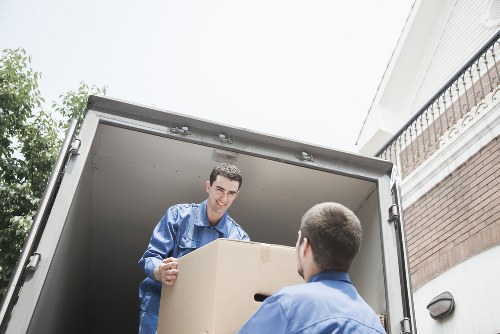
Choosing a local company for commercial moves in Claphampark can make the process easier in several practical ways. Teams familiar with the area tend to understand local routes, parking pressures, and access limitations more quickly than a crew arriving from far away. That experience can save time and help avoid problems before they begin.
Claphampark includes a combination of business premises and nearby neighbourhoods with different access conditions. Some properties may be set back from the road, while others are in mixed-use areas where loading spaces are shared. In some cases, a move may require careful timing to avoid busy periods near main roads, schools, or residential streets. A local removals team can build the schedule around these realities.
Local experience is also useful when working with managed buildings, business parks, converted properties, and offices in older premises. Not every removal is straightforward, and not every building has the same layout. A team that regularly works in the area is more likely to know how to plan around stair access, lift booking rules, restricted waiting areas, and other common issues that can otherwise cause last-minute disruption.
How the Commercial Moving Process Usually Works

When planning a commercial relocation, it helps to break the process into clear stages. That way, nothing important is missed, and your staff know what to expect. While every move is different, the typical structure is straightforward and easy to adapt to a small office or a larger commercial site.
Most customers find it useful to follow this general process:
- Initial discussion — explain the type of business, the premises involved, and the items to be moved.
- Planning and scheduling — choose the move date, time window, and any staging requirements.
- Preparation — label items, pack boxes, disconnect equipment, and organise access.
- Loading and transport — carefully move items out of the current premises and transport them securely.
- Delivery and placement — unload items at the new location and place them in the correct rooms or areas.
- Reassembly and final checks — rebuild furniture if required and confirm everything is where it should be.
A structured process helps reduce confusion and makes it easier to coordinate with staff, landlords, building managers, and suppliers. If your move involves multiple departments or sensitive equipment, it is often sensible to allocate one internal contact person to keep information clear and consistent.
What Is Included in a Professional Commercial Move

A professional service for commercial moves in Claphampark should feel practical from the beginning. While exact service levels vary, many businesses want help with the aspects that take time, effort, and careful handling. That might mean lifting, loading, dismantling, transport, and unloading, or a more tailored service based on the size and complexity of the relocation.
Services often include the following:
- Assessment of items and access requirements
- Loading and unloading of office or business contents
- Transport between business premises
- Careful handling of fragile or high-value items
- Dismantling and reassembly of furniture where needed
- Placement of items into the correct rooms or zones
- Support with multi-stop or staged commercial moves
Some moves also benefit from an additional layer of organisation, such as numbered boxes, departmental labels, or a room-by-room plan. This is particularly useful for offices with several teams, businesses with lots of stock, or premises where the old and new layouts are different. The better the move is organised, the faster your business can get back to normal.
For many customers, the biggest value is not just the physical lifting; it is the reassurance that the work is being handled methodically. That becomes especially important when time is tight, or when a move must happen with limited interruption to customers or staff.
Types of Commercial Customers We Commonly Help
Offices, shops, clinics, and more
Commercial removals are used by a wide range of local organisations. In Claphampark and surrounding parts of South London, moves often involve businesses of different sizes and operating styles. Some premises are compact and straightforward, while others need more careful coordination because of specialist equipment or busy schedules.
Common commercial customers include:
- Small offices moving to a new suite or upgraded workspace
- Retail businesses relocating stock, fittings, and displays
- Professional services with filing, desks, and IT equipment
- Healthcare and wellbeing practices moving waiting-room furniture and treatment items
- Studios and creative businesses with delicate or oversized equipment
- Hospitality businesses moving furniture, appliances, or storage items
- Home-based businesses upgrading to commercial premises
Each of these business types has different priorities. A clinic may need privacy and minimal disruption. A retailer may need quick turnaround to avoid losing trading time. A professional office may need computer equipment protected and reconnected in the right order. A local moving team should be able to listen to these differences and plan accordingly.
If your business is in a shared building, a serviced office, or a mixed-use property, it may also be necessary to coordinate around building rules, neighbours, or time restrictions. Local experience is useful here because the move needs to work for both the business and the building environment.
Access, Parking, and Property Challenges in the Area
Planning around real local conditions
One of the main reasons customers look for commercial moves in Claphampark from a nearby team is the practical side of access. In real-world moves, the route from the vehicle to the front door matters almost as much as the transport itself. If parking is awkward or the lift is small, the move needs to be planned with those details in mind.
Some local property types present common challenges:
- Converted buildings may have narrow staircases or limited turning space
- Modern developments may require lift bookings or concierge coordination
- Busy roadside premises may need careful loading timing
- Shared commercial units can involve access arrangements with other tenants
- Upper-floor offices may require extra handling for heavy furniture
Parking rules and loading restrictions can also vary from street to street. If a move is not planned properly, staff may spend unnecessary time waiting for a space, carrying items too far, or dealing with avoidable delays. A local mover is more likely to ask the right questions in advance, such as whether there is a loading bay, whether the lift can be reserved, and whether items must be moved within a particular time window.
That kind of planning is not a luxury; it is what keeps the day running smoothly. Businesses often notice the difference most when they are moving under pressure and need the job to be completed efficiently.
Preparing for a Commercial Move
What you can do before moving day
Good preparation can save time, reduce stress, and lower the chance of missing something important. While a moving team can handle the heavy lifting and transport, there are several steps your business can take beforehand to make the day more efficient. Preparation also helps protect sensitive equipment and ensures the new premises are ready for use.
A useful preparation checklist may include:
- Notifying staff of the moving schedule and responsibilities
- Labeling boxes by department, room, or item type
- Backing up digital files before equipment is disconnected
- Removing personal belongings and confidential paperwork
- Measuring larger furniture to confirm it will fit through doorways and lifts
- Clearing walkways and loading areas in advance
- Arranging any required keys, passes, or building access permissions
- Confirming where items should be placed at the destination
It is also sensible to separate items that need to travel with particular care. For example, documents, cash drawers, specialist tools, or fragile displays may need their own labels or packing method. The more clearly you organise the contents, the easier it is for the move team to work quickly and correctly.
If you are unsure how much preparation is needed, ask for guidance before the move. A practical local company will usually be happy to explain what should be packed by the business and what can be handled on the day.
Pricing Factors for Commercial Moves in Claphampark
What affects the cost of a move?
Businesses often want a clear idea of what influences pricing, even if they are not ready to book immediately. While no two moves are identical, there are common factors that affect the final quotation for commercial removals. Understanding these factors can help you compare options more confidently and plan your budget realistically.
Key pricing factors can include:
- The size of the property and quantity of items being moved
- The type of items, including whether anything is fragile or bulky
- The distance between the current and new premises
- Whether items need to be dismantled and reassembled
- How easy it is to park, load, and unload at each site
- Whether the move takes place outside standard working hours
- Whether there are multiple stops or staged delivery requirements
- Any special handling needed for equipment, archives, or stock
For many customers, the best way to get a useful quote is to provide a clear description of the business, the number of rooms, the main items involved, and any access concerns. Accurate information upfront helps avoid surprises later. It also allows the moving team to suggest a more realistic plan for the day.
It is worth remembering that the cheapest option is not always the most suitable for a business move. A service that understands local access, handles items carefully, and works efficiently may deliver better value overall because it reduces disruption and wasted time.
Why Businesses Choose a Local Company
Practical benefits for real customers
There are several reasons why local customers look for a nearby team when arranging commercial moves in Claphampark. The first is responsiveness. A local company can usually assess the practical requirements more quickly and may be better placed to offer a schedule that fits your timeline. The second is familiarity with the area, which helps when access or parking needs to be worked around.
Another benefit is communication. Local teams often understand that businesses need straightforward answers, clear timing, and a move that runs to plan. If you are preparing for a handover, fit-out, or reopening, you may not have the time to manage a complicated process. A reliable mover should keep things clear and simple.
Local service is also helpful for repeat business and phased relocations. Some companies do not move everything at once. Instead, they shift departments gradually, move stock in stages, or relocate from one nearby site to another over multiple visits. Having a local company nearby makes these arrangements easier to coordinate.
When the team knows the area, understands commercial property layouts, and can work around everyday constraints, the move becomes much easier to control. That is often exactly what local business owners want: less confusion, better timing, and a process that respects their workload.
Areas Covered Around Claphampark
Local and nearby commercial move support
Claphampark sits within a busy part of South London, so commercial relocation requests often come from nearby neighbourhoods and connected business areas. Customers commonly need support not just in Claphampark itself, but also across surrounding locations where offices, shops, and other business premises are found.
Areas commonly included in local commercial move planning may include:
- Clapham
- Brixton
- Balham
- Stockwell
- Streatham
- Lambeth
- Wandsworth
- Nearby South London business locations
This wider local reach is useful if your business move involves a change of neighbourhood, a short-distance relocation, or a move between two commercial sites in the same area. Short local moves still need the same attention to detail as larger relocations, especially when access is tight or equipment is valuable.
Common Questions About Commercial Moves
FAQs for local business customers
How far in advance should I arrange a commercial move?
It is best to plan as early as possible, especially if your move must happen at a fixed time or outside normal hours. Early planning gives you more flexibility with scheduling and preparation.
Can you help with office furniture and equipment?
Yes, most commercial moves involve a mixture of furniture, IT equipment, storage, and packed items. If you have specialist or unusually heavy pieces, mention them early so the move can be planned correctly.
What if my building has limited parking or loading space?
That is common in many parts of Claphampark and nearby areas. A local team can usually help plan around it by choosing the best access point, timing the load carefully, and working efficiently on arrival.
Will my items be placed in the right rooms at the new premises?
In most cases, yes, as long as the destination layout is clearly labelled or explained beforehand. Room labels and floor plans can make this process much faster.
Do I need to dismantle desks and furniture myself?
Not always. Depending on the service arranged, dismantling and reassembly may be included or can be discussed separately. It is best to confirm this before moving day.
Can commercial moves be done outside business hours?
Often, yes. Many businesses prefer early starts, evenings, or weekend moves to reduce disruption. Availability depends on scheduling and the scale of the job.
Tips for a Smooth Move Day
Keeping your business organised
Move day tends to run best when everyone knows their role. The moving team handles the transport and lifting, while your business team focuses on access, labels, and any items that need to be dealt with in a specific way. A little coordination makes a big difference when the schedule is tight.
Useful move-day tips include:
- Keep a clear list of priority items
- Make sure keys, passes, and access details are available
- Protect floors and entrances if required by the building
- Keep essential documents and devices separate from general boxes
- Have one person available to answer questions on site
- Check that the destination rooms are clearly labelled
It is also sensible to consider how your staff will work immediately after the move. If you need phones, laptops, or workstations set up quickly, place those items in order of importance. That way, essential functions can be restored first while less urgent items are handled afterward.
For busy companies, a well-planned move is really about protecting time, continuity, and confidence. The more structured the day, the easier it is to settle into the new premises without unnecessary delays.
Book Commercial Moves in Claphampark
Request a quote and plan your relocation with confidence
If you are preparing for an office move, retail relocation, or another business transfer, now is a good time to start planning. Commercial moves in Claphampark are much easier to manage when the details are discussed in advance and the service is built around your premises, access conditions, and timing requirements.
Whether you are moving a small workspace or a larger commercial unit, a professional local service can help you reduce disruption and keep the move organised from start to finish. You do not need to wait until the last minute to get the process moving. If you are comparing options, it is worth asking how the team handles loading access, fragile equipment, furniture assembly, and delivery to the new site.
Contact us today to discuss your requirements, request a free quote, or book your service now. If your business move is upcoming, early planning gives you the best chance of a smooth and efficient relocation. For local businesses in Claphampark and nearby South London areas, practical support is only useful when it is clear, timely, and suited to the job in hand.
Ready to move forward? Make your next business relocation easier by choosing a team that understands local access, commercial property needs, and the importance of getting back to work quickly.